

The Door Opened
December 31st, 1898
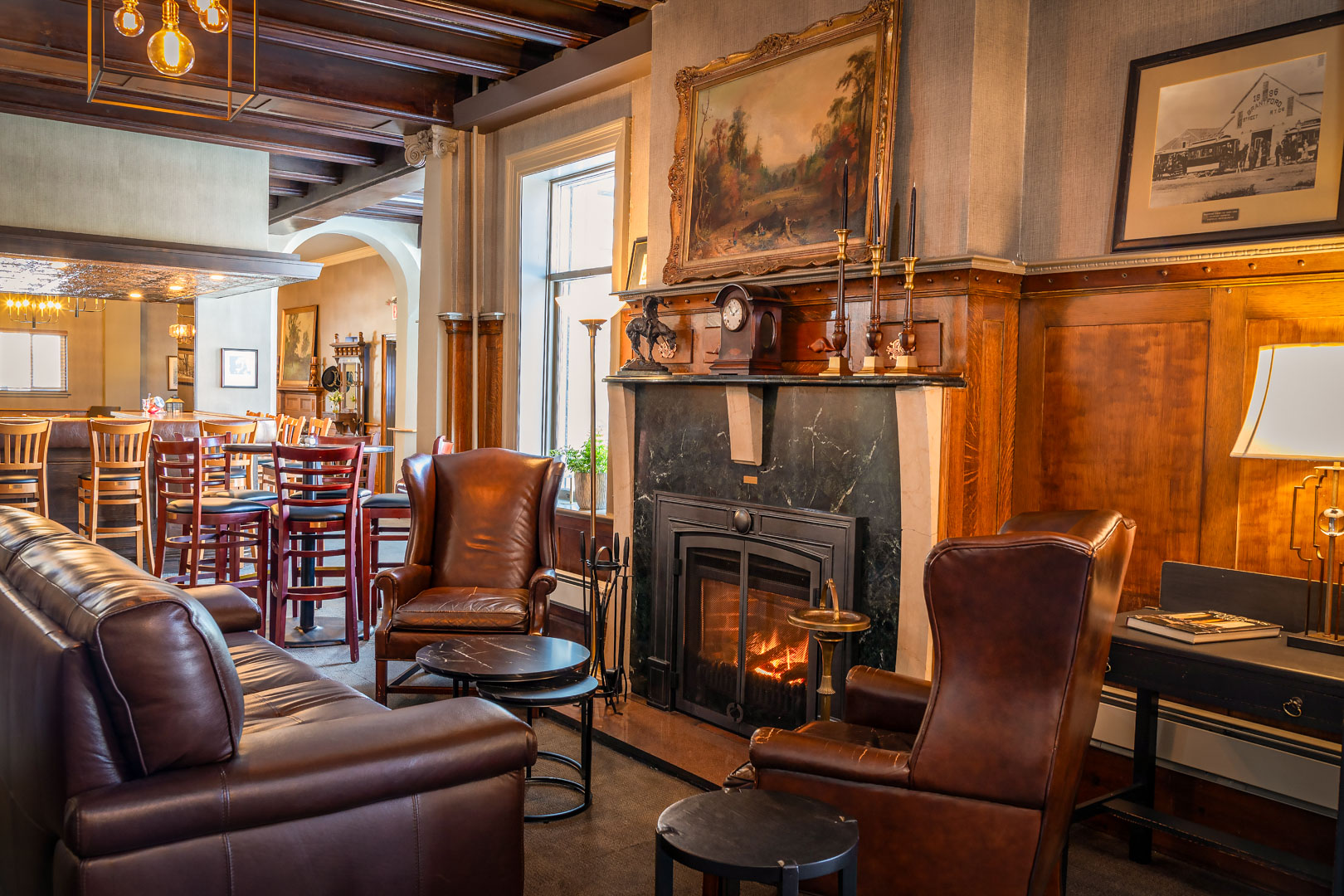
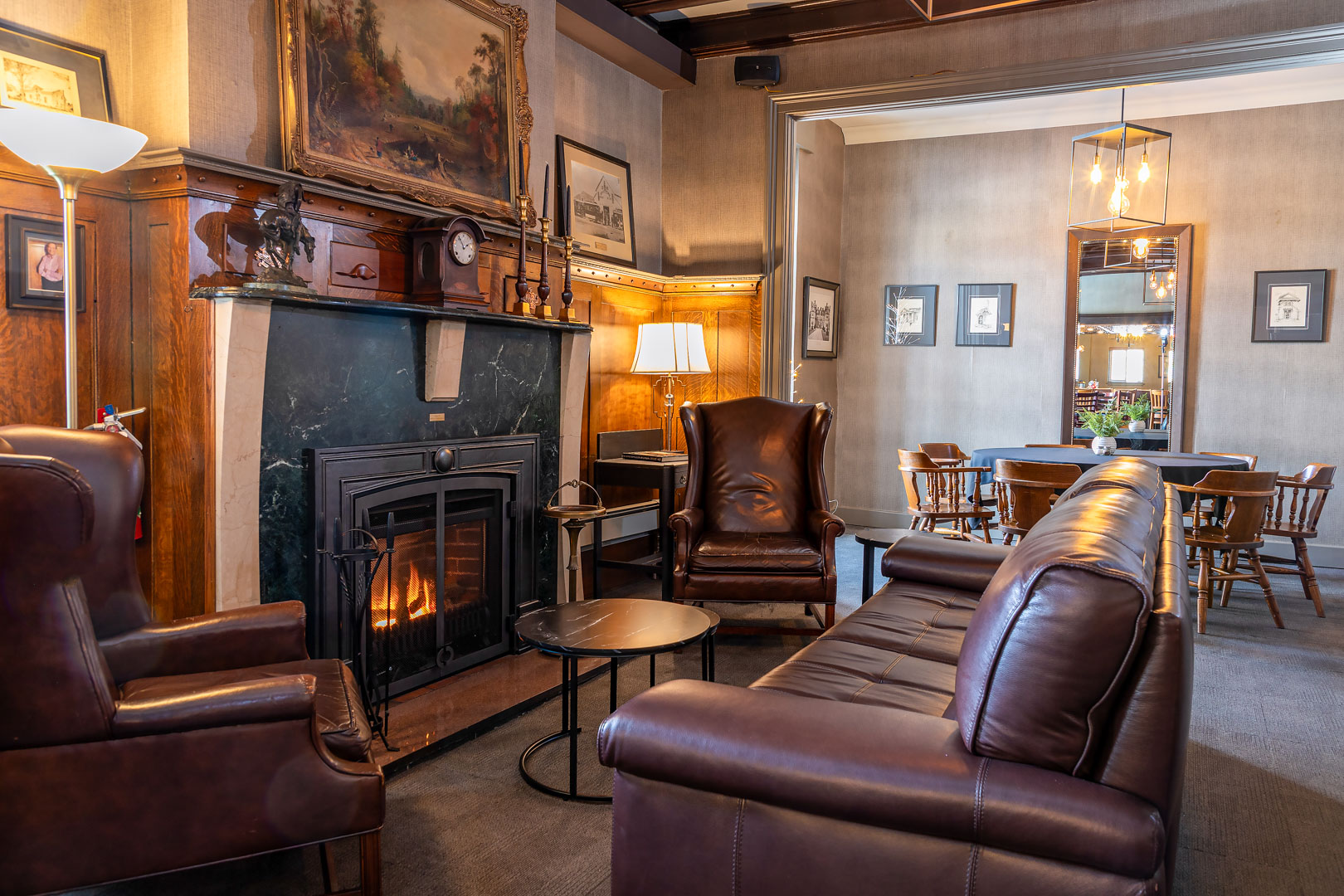
On a day in May 1898, five men sat down to plan a social club, so the Club’s centennial history tells it: Charles Waterous, Manufacturer; Jeffery Hale, Banker; Ralph Henry Reville, Publisher; Alfred John Wilkes, Barrister; and Herbert Rushton Yates, Gentleman. The Letters Patent came through on July 16, and the framed Charter hung in the dining room, its purpose in five plain words: to establish and maintain a social club. The Club opened this house on a bitter cold New Year’s Eve, warmed, the book records, by fireplaces and refreshments.
The House Keeps
Its Records
The house is older than the city around it: an Italianate residence built around 1855, later the home of Dr. John Young Bown, whose guests in those years included Sir John A. Macdonald. The young Club bought it for $4,500.00, and the rooms have kept records ever since. The house’s full biography is the house older than the city, in the Journal. Winston Churchill signed the Visitors’ Register on January 3, 1901. The Minutes note the season Whist gave way to a new game called Bridge, and a house rule that a member was never to be interrupted by the telephone. The documents, and the full story, live on our history page.


The Club
Today
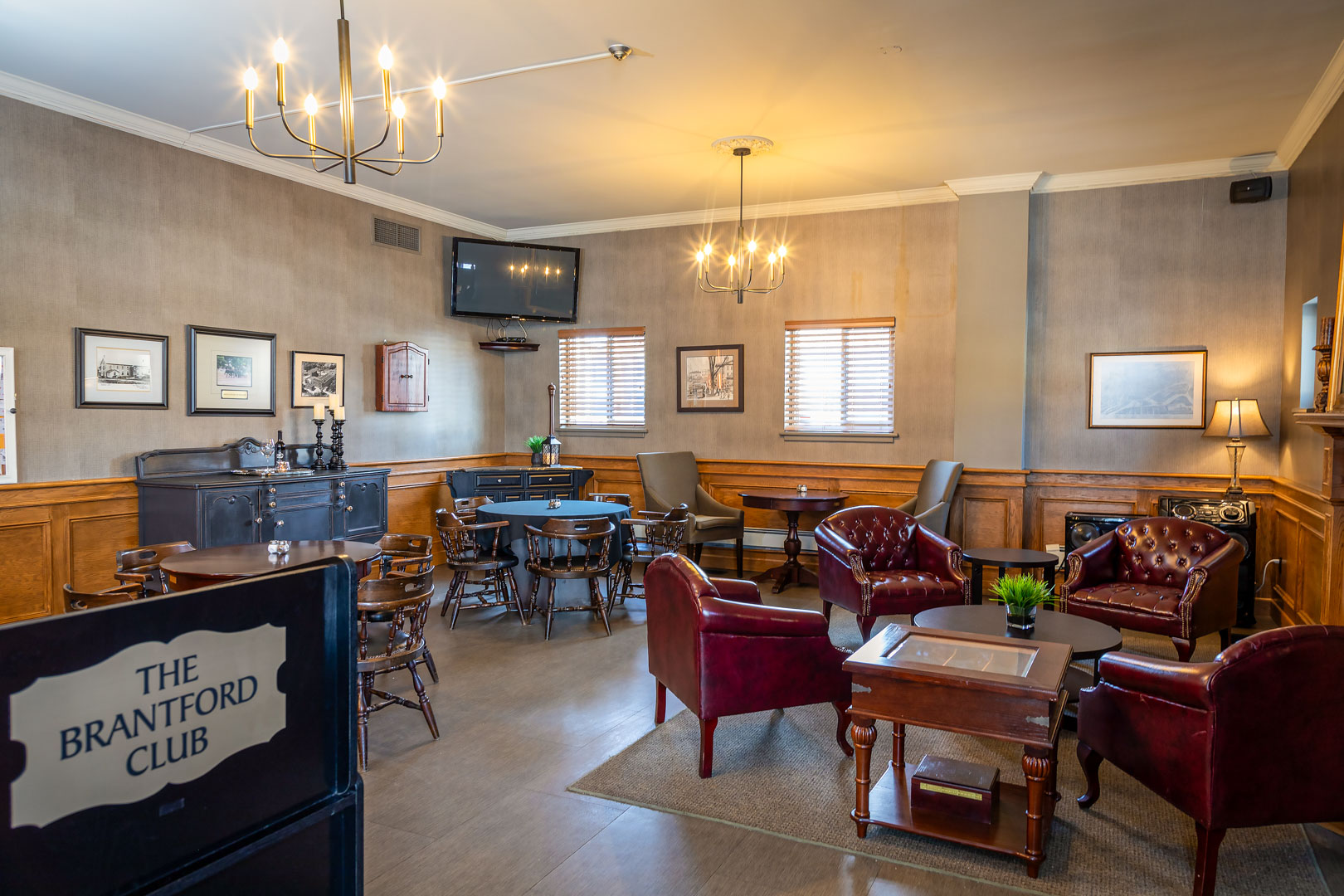
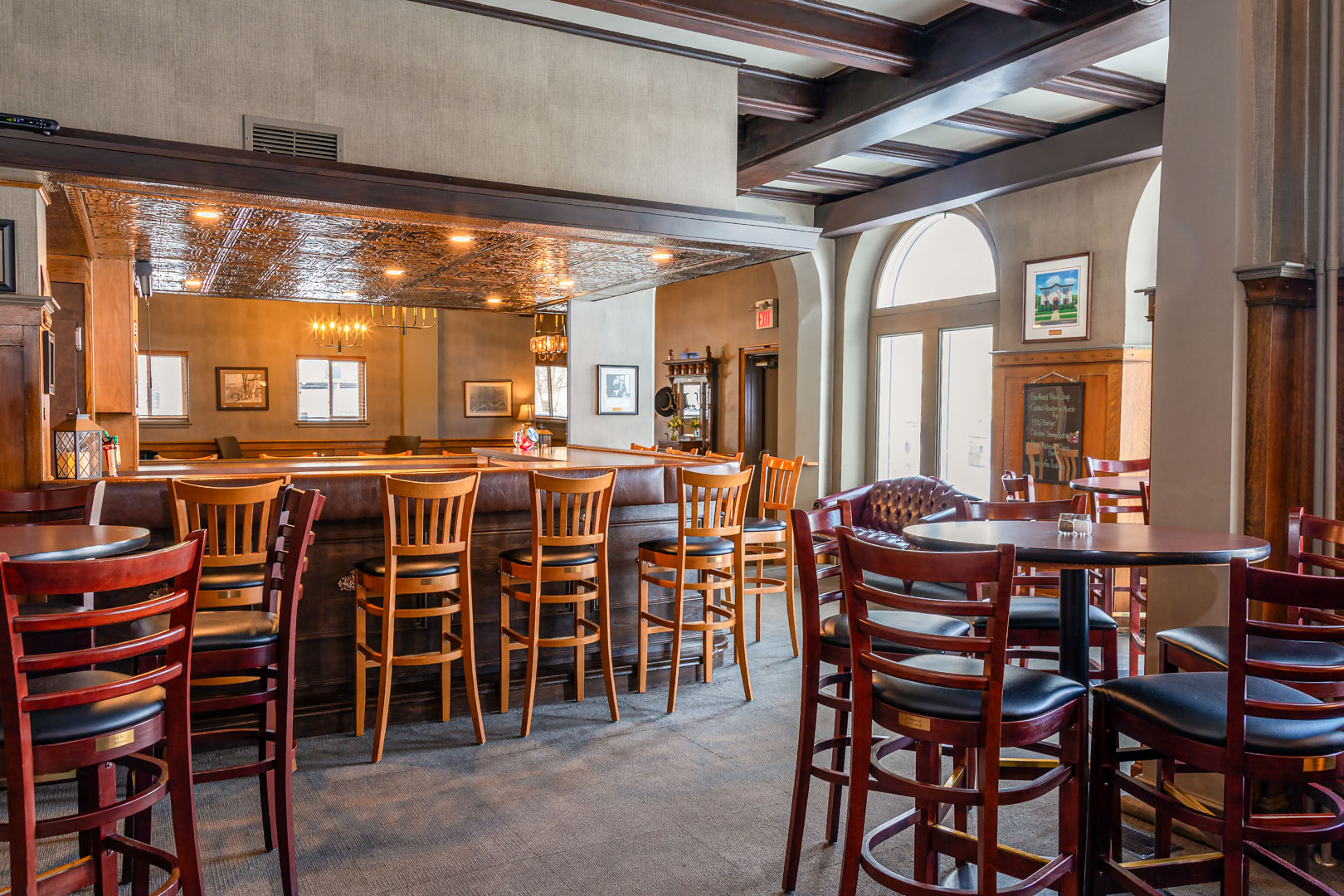
Today the Club is what its Charter asked it to be: a social club, kept in the same rooms. Members come in for lunch, take the bar after work, bring guests to pub nights and dinners with a theme, and host their own occasions in the house. Membership is open to all, and the manager will gladly walk you through how joining works.
The Journal explains what a private members’ club is, for anyone new to the idea. The centennial history closed with the hope that the Club would endure another century. It is doing exactly that.
